November 27, 2026
Aging brings natural changes throughout the body, and the spine is no exception. Over time, changes in the discs, joints, muscles, and surrounding tissues can affect posture, flexibility, balance, and comfort. These developments may make everyday activities more challenging, but understanding how aging affects spinal health can help older adults take steps to protect their mobility.
With appropriate care and healthy habits, senior chiropractic care may support comfort, movement, and continued independence. Recognizing early signs of stiffness or reduced range of motion can also help individuals address concerns before they interfere with daily routines. By staying informed and seeking guidance from qualified healthcare professionals, older adults can make thoughtful decisions about maintaining an active lifestyle as they age.
Understanding Age-Related Changes in the Spine
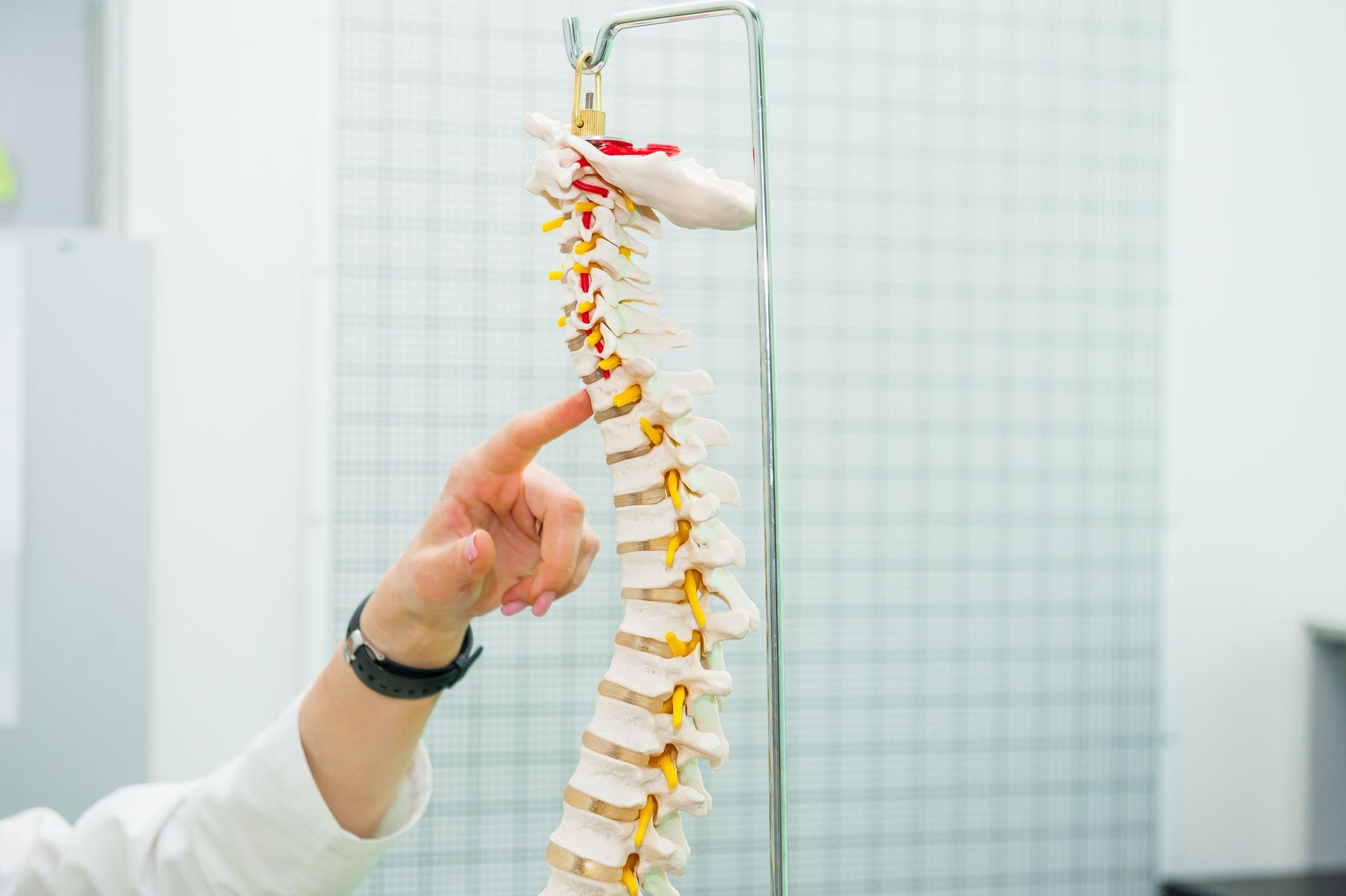
The spine consists of vertebrae, cushioning discs, joints, ligaments, and muscles that work together to support the body and allow movement. As people age, these structures naturally experience wear and changes that may affect how comfortably the spine functions.
Intervertebral discs gradually lose some of their water content, which can reduce their flexibility and cushioning ability. Discs may also become thinner, leaving less space between neighboring vertebrae. These changes can contribute to stiffness, discomfort, and reduced mobility.
The small joints connecting the vertebrae may also experience age-related wear. In some people, this contributes to osteoarthritis, which can cause inflammation, stiffness, and pain during certain movements. Although these developments are common, their effects vary from person to person. Senior chiropractic care can help older adults explore appropriate options for managing discomfort and maintaining function.
Recognizing Changes in Posture and Flexibility
Age-related spinal changes can gradually influence posture and the body's ability to move comfortably. Some older adults develop increased curvature in the upper back, which may cause the shoulders to round forward and the head to move ahead of the body's natural alignment. Reduced flexibility in the spine and surrounding muscles can make standing upright more difficult.
These changes may become noticeable during ordinary activities, including:
- Looking over the shoulder while driving.
- Reaching overhead to retrieve household items.
- Bending down to put on shoes or pick something up.
- Standing for extended periods.
- Turning the torso while completing household tasks.
Muscle strength also plays an important role in maintaining posture. When the muscles supporting the spine become weaker, the body may have more difficulty maintaining stability and proper alignment. Senior chiropractic care may be one part of a personalized approach to addressing spinal discomfort and supporting everyday movement.
Identifying the Effects on Everyday Mobility
Spinal health influences more than back comfort. Because the spine supports the body's structure and helps coordinate movement, age-related changes can affect how easily people complete routine activities. Stiffness or discomfort may make walking, climbing stairs, getting out of a chair, or completing household responsibilities more difficult.
Balance can also become a concern as people age. Changes in joint mobility, muscle strength, posture, and sensory feedback may affect stability while standing or walking. When movement becomes uncomfortable, some individuals begin avoiding activities they previously enjoyed. Over time, reduced activity can contribute to additional muscle weakness and decreased flexibility.
Recognizing these changes early can help older adults make informed decisions about their health. Senior chiropractic care focuses on the specific needs of aging patients, with attention to mobility, pain management, and individualized treatment goals.
Exploring the Connection Between Chronic Pain and Aging
Persistent back and neck discomfort can interfere with sleep, physical activity, and overall quality of life. Although occasional soreness may occur with age, ongoing pain should not automatically be dismissed as an unavoidable part of getting older. Chronic discomfort can have several contributing factors, including degenerative disc changes, arthritis, previous injuries, and reduced muscle conditioning.
According to Master Mind Behavior, studies show that approximately 73.2% of patients with chronic low back pain report very to extremely successful outcomes. This finding highlights the importance of exploring appropriate approaches to managing persistent discomfort rather than assuming that pain must remain a constant part of daily life.
The right care depends on the individual's symptoms, medical history, and overall health. Senior chiropractic care may help some older adults address musculoskeletal discomfort through personalized chiropractic treatment. A qualified provider can evaluate movement concerns and determine whether chiropractic services are appropriate or whether additional medical assessment is needed.
Maintaining Spinal Health Through Healthy Daily Habits
Daily habits can influence spinal comfort and mobility at every stage of life. Older adults can support their musculoskeletal health by staying active, maintaining good posture, and making practical adjustments to everyday routines.
Helpful habits include:
- Engaging in Appropriate Physical Activity: Walking and other low-impact activities can help maintain general conditioning and support mobility. Exercise choices should reflect each person's abilities and medical needs.
- Practicing Gentle Stretching: Comfortable stretching can help maintain flexibility in the back, hips, and legs. Movements should be controlled and should not cause pain.
- Supporting Proper Posture: Keeping frequently used items within easy reach and choosing supportive seating can reduce unnecessary strain during daily activities.
- Maintaining a Healthy Weight: Managing body weight can help limit additional stress on the spine and other weight-bearing joints.
- Prioritizing Rest: Adequate sleep and comfortable sleeping positions can support recovery and help manage everyday muscle tension.
Consistency is important. Small, manageable habits can make it easier to remain active without placing unnecessary demands on the body. Senior chiropractic care may complement these efforts when included in an individualized wellness plan.
Considering Personalized Chiropractic Care for Seniors
Older adults have different health histories, mobility levels, and treatment needs. For that reason, spinal care should never rely on a one-size-fits-all approach. A chiropractor should consider existing conditions, previous injuries, medications, bone health, and current symptoms before recommending treatment.
At Chiropractic Memphis Health & Wellness, care for older adults is tailored to individual needs and goals. The practice offers chiropractic services focused on pain management and mobility, along with personalized treatment plans. Its senior chiropractic care approach addresses concerns such as reduced range of motion, muscle stiffness, arthritis symptoms, and balance difficulties.
Depending on an individual's evaluation, chiropractic treatment may include appropriate spinal adjustment techniques. Providers can also discuss movement concerns and offer educational guidance to support long-term wellness. Older adults with osteoporosis, a history of fractures, or other significant health conditions should discuss these concerns before receiving spinal treatment. Gentle, appropriate techniques and careful evaluation are especially important when working with aging joints and bones.
Supporting Long-Term Mobility and Independence
Maintaining spinal health can help older adults remain engaged in the activities that make everyday life meaningful. Whether someone wants to walk comfortably through the neighborhood, work in the garden, travel, or spend time with family, mobility plays an important role in preserving independence. Maintaining strength and flexibility can also make routine movements easier and help older adults feel more confident when navigating their homes and communities.
Changes associated with aging cannot always be prevented, but their effects can often be managed with appropriate attention to health and movement. Recognizing symptoms, staying physically active, and seeking professional guidance when discomfort persists can help older adults make informed decisions about their well-being.
Senior chiropractic care may provide additional support for people experiencing age-related spinal discomfort or mobility limitations. Chiropractic Memphis Health & Wellness offers individualized care tailored to the needs of older patients and designed to support their wellness goals. Contact Chiropractic Memphis Health & Wellness today to schedule an appointment and discuss a personalized approach to maintaining spinal health and everyday mobility.